PAST PROGRAMMES
Programme for After Class Enrichment (PACE)
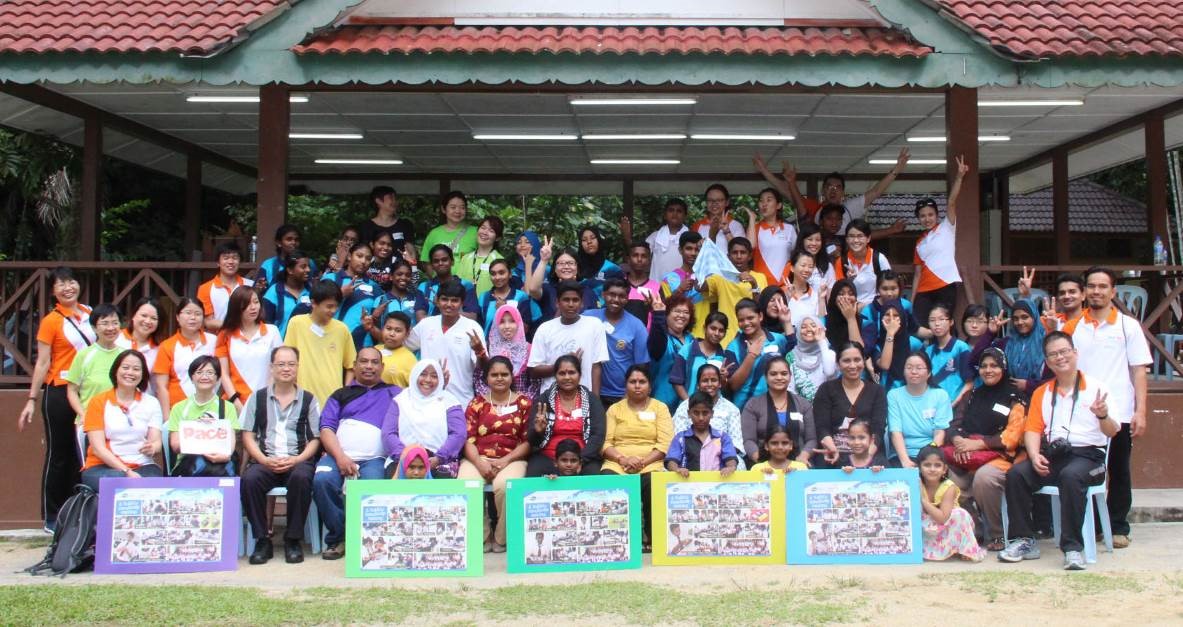
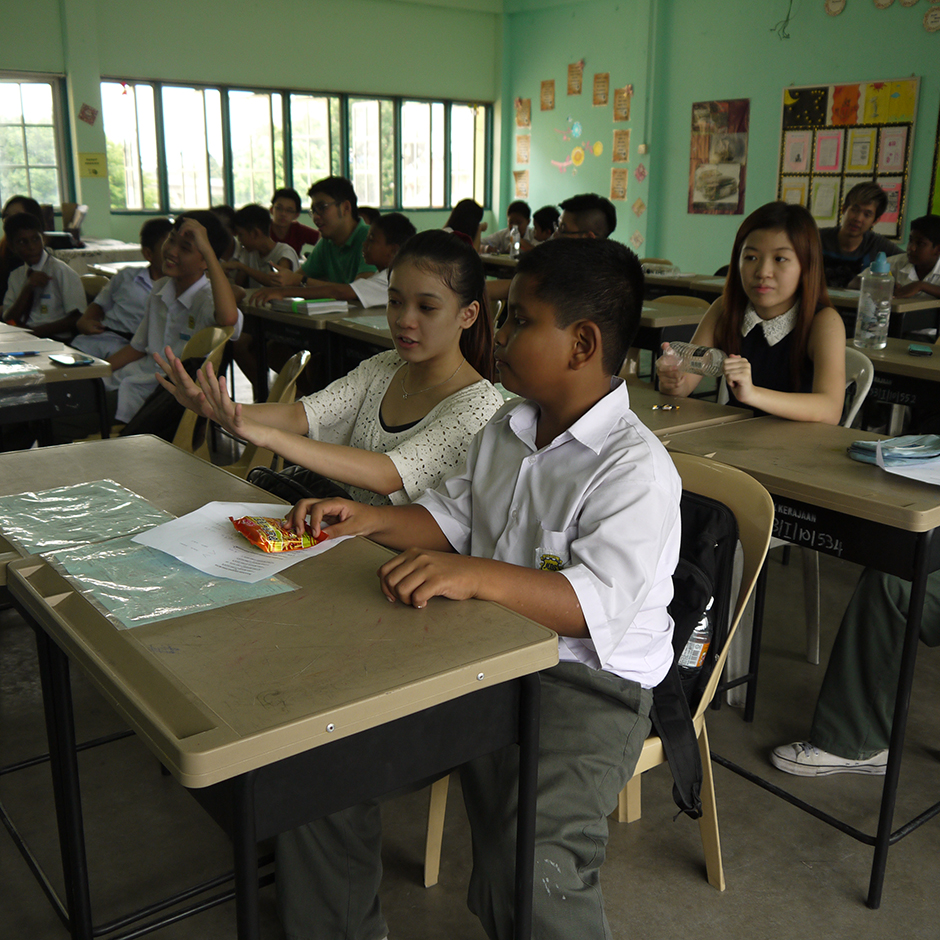
PACE or Programme for After Class Enrichment was a tuition cum mentoring programme launched in 2013 by TEEF. It was designed with the help of BCG. PACE involved about 40 students in two schools in Kuala Lumpur – Convent Sentul and MBS Sentul. The schools selected under-performing Form 1 students from low-income homes.
Newspaper in Education (NIE) Programme
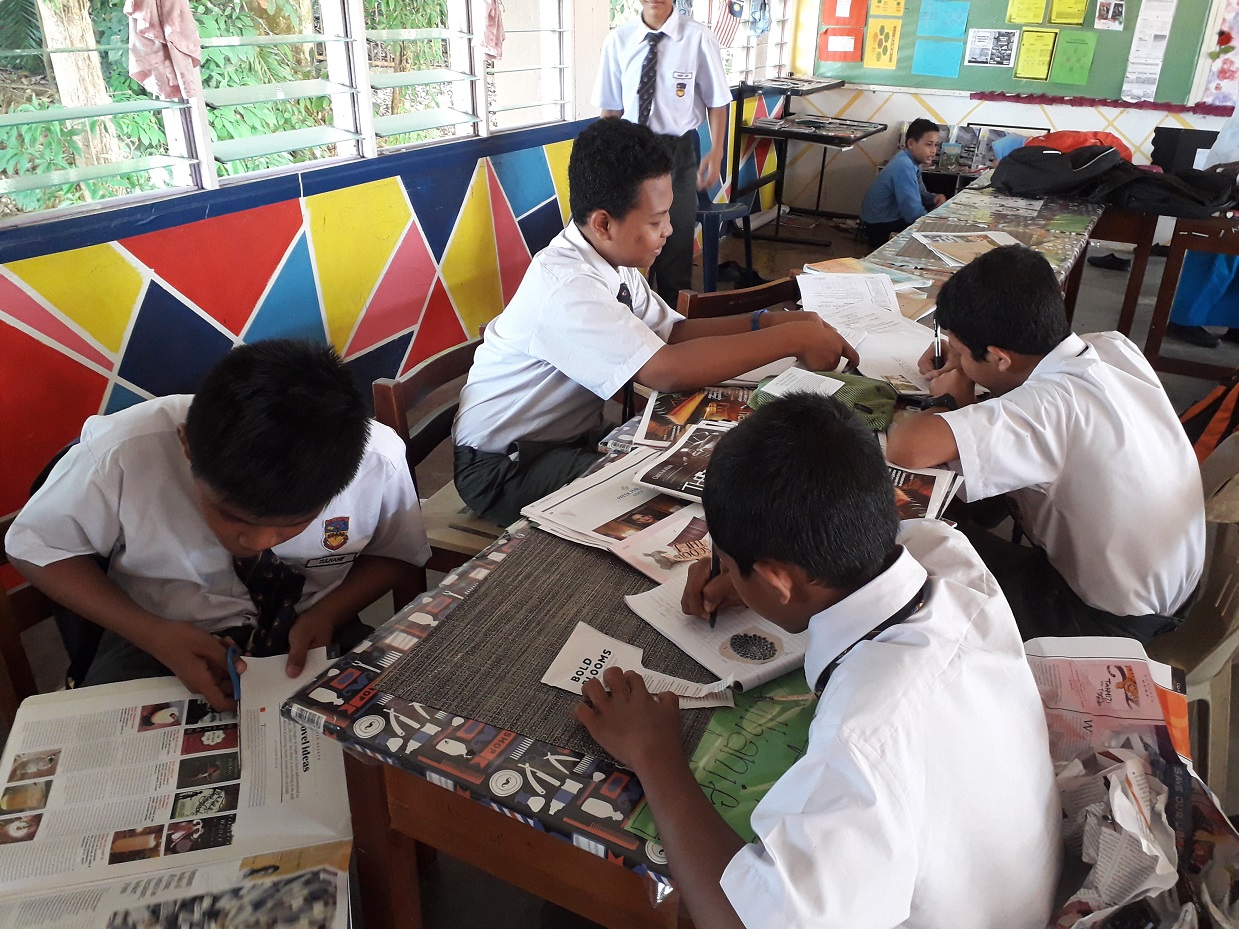
TEEF ran an NIE programme for English teachers in 2019 at selected schools. Copies of The Edge were sent weekly to eight schools in the Klang Valley for English teachers to use as a resource to encourage a reading culture, increase students’ English language proficiency, and develop higher order thinking skills.
Programme for After Class Enrichment (PACE)
PACE or Programme for After Class Enrichment was a tuition cum mentoring programme launched in 2013 by TEEF. It was designed with the help of BCG. PACE involved about 40 students in two schools in Kuala Lumpur – Convent Sentul and MBS Sentul. The schools selected under-performing Form 1 students from low-income homes. PACE aimed to help these students improve their literacy and numeracy skills through tuition in three core subjects – English, Bahasa Malaysia and Mathematics. PACE followed the same batch of students for the first three years of secondary school to prepare them better for upper forms and SPM.
How did PACE work?
In addition to the tuition classes conducted by teachers selected by the schools and paid for by TEEF, PACE students learned financial literacy and some basic entrepreneurial skills. TEEF worked with Taylor’s University, EY and KLK Oleo to deliver PACE which was funded by Kuala Lumpur Kepong Berhad. For 14 weeks of the year, business school undergraduates from Taylor’s University ran a one-hour activity-based programme after English and Mathematics tuition classes. Participation in PACE was part of Taylor’s Business School’s Community Service module.
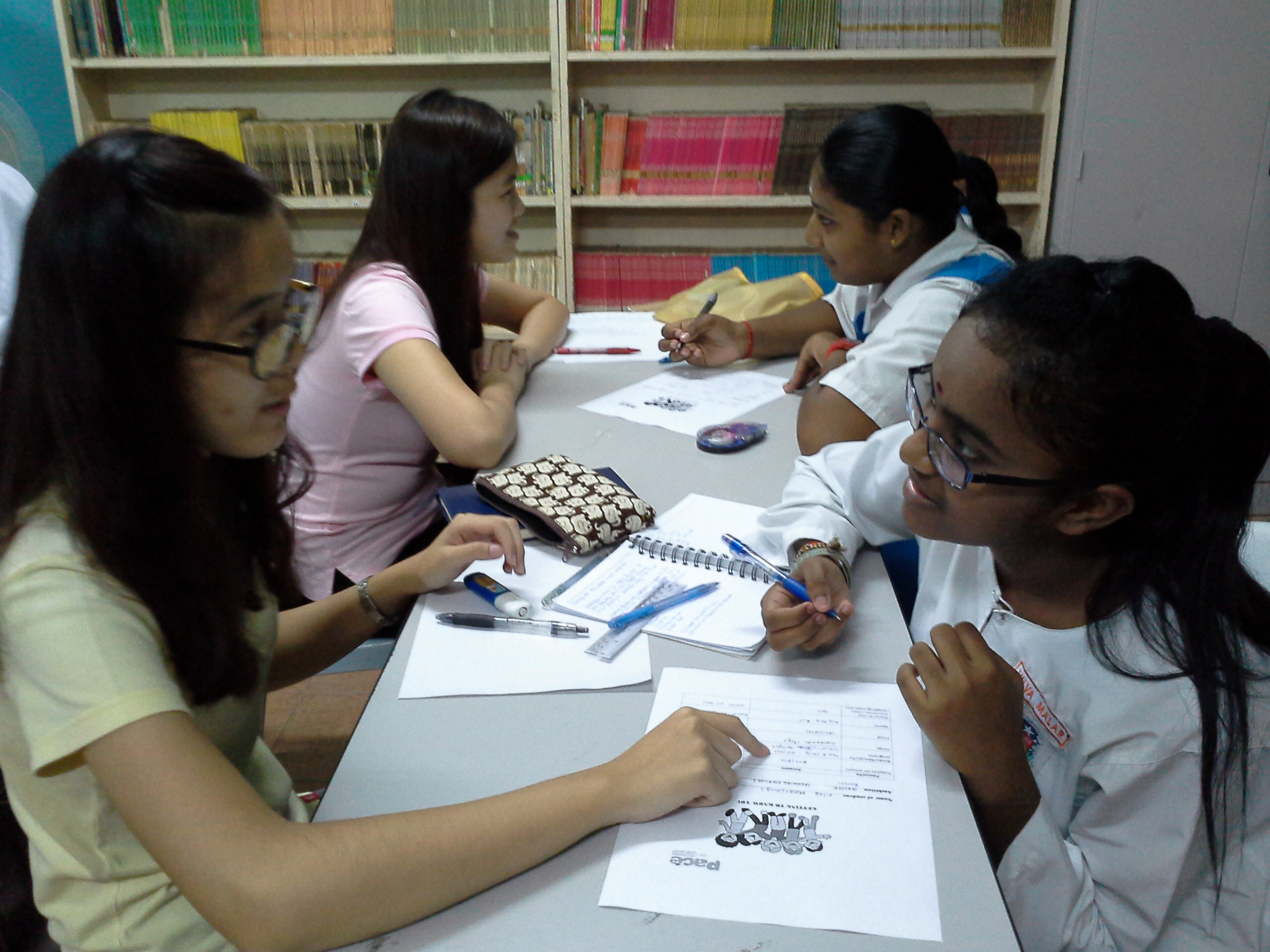
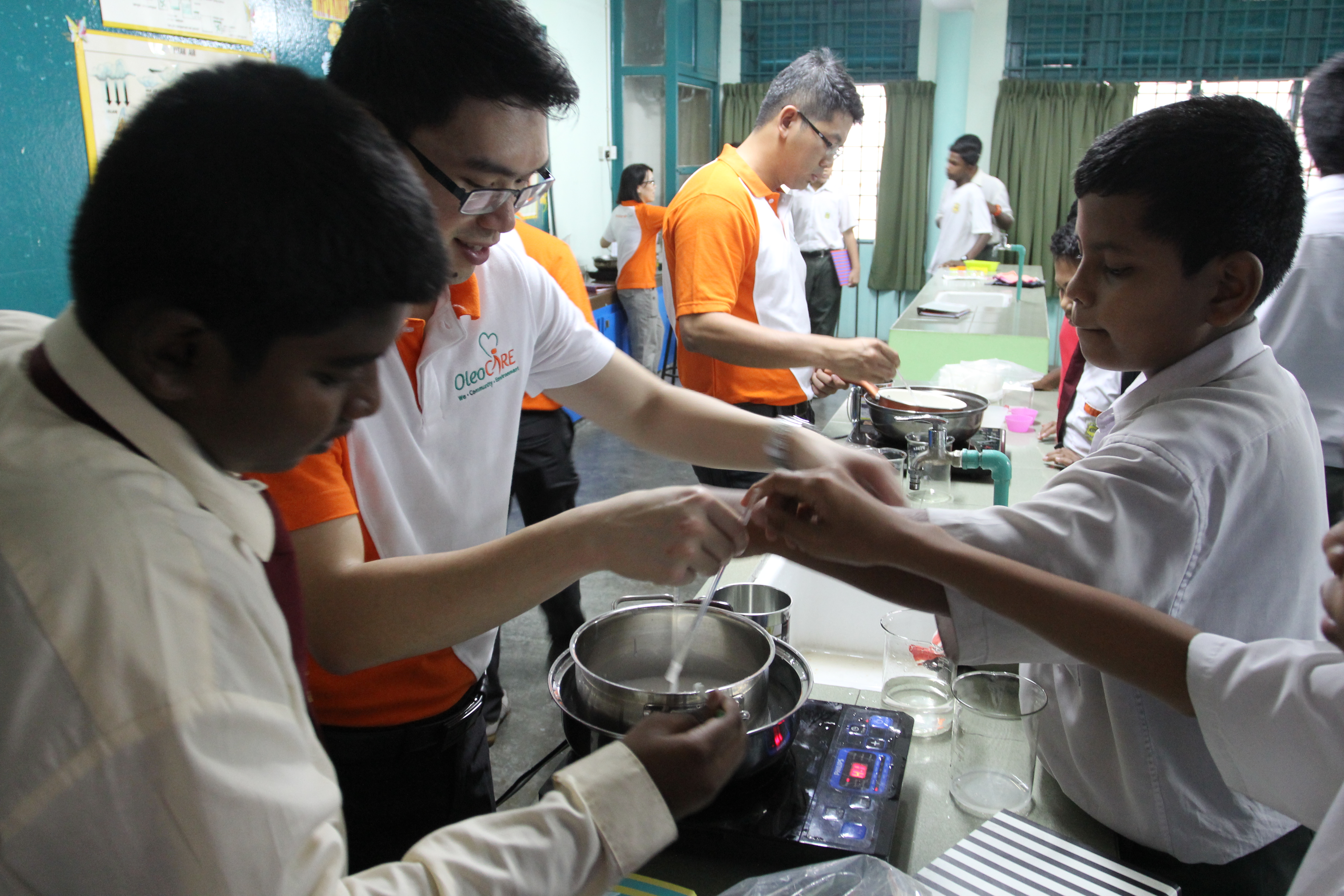
Volunteer mentors from EY and KLK Oleo, part of the KLK group, taught PACE students simple business planning, budgeting and marketing skills over 10 weekly sessions. The students then implemented a business project. The 40 PACE students in the two schools raised over RM1,500 from their business projects – the girls from selling felt key chains they stitched and bookmarks they made from old greeting cards and popsicle sticks, and the boys from the soaps they made. The money raised enabled the students to open their own savings accounts.
Evaluating the outcomes
In evaluating PACE outcomes, TEEF focused on three areas: (i) attendance in school and at PACE; (ii) academic progress at school; and (iii) socio-emotional competency which included social interaction, confidence and motivation. Quantitative data on the first two areas and feedback from teachers and principals at the two schools attested to PACE making a difference in these students’ grades and self-confidence. Read more
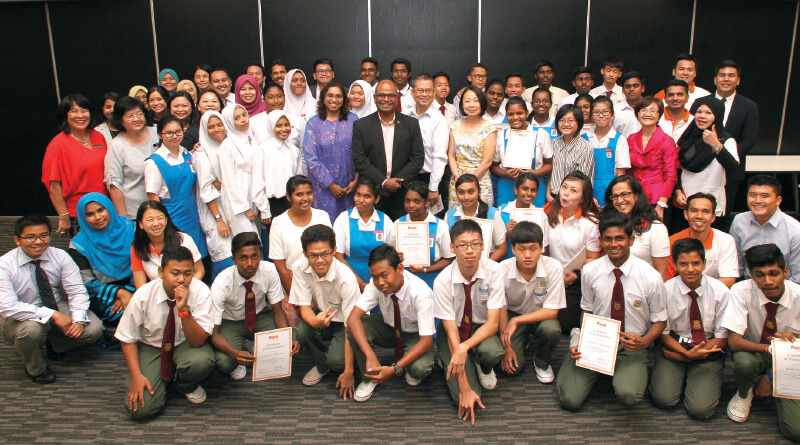
A ceremony at which PACE students received their graduation certificates was held at Taylor’s Lakeside Campus in 2015. PACE provided valuable lessons for TEEF in designing the “Money & Me: Youth Financial Empowerment Programme”.
KLK makes contribution to PACE
Read Article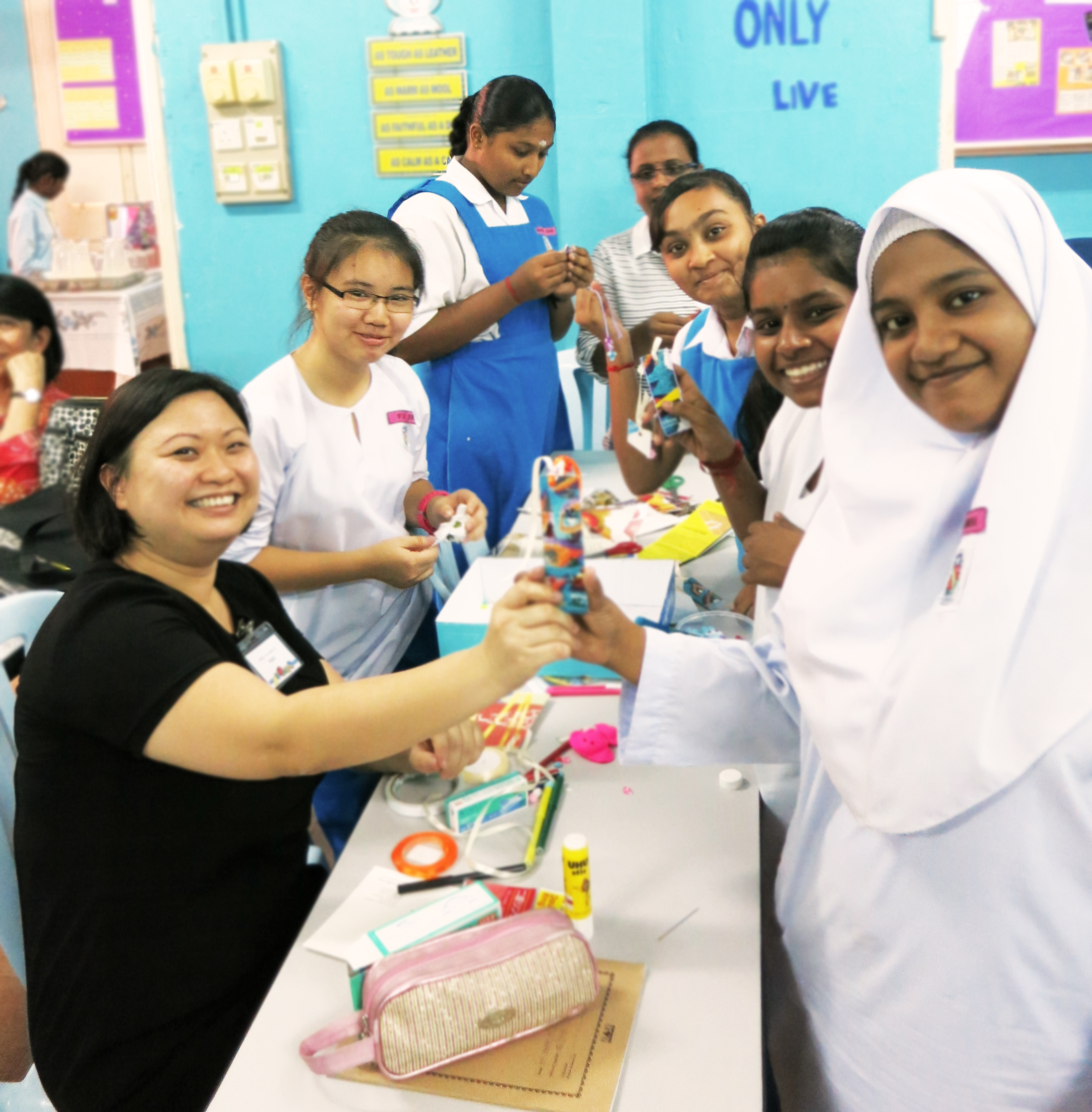
The power of collaboration in changing our schools
Read Article
Students ‘graduate’ from The Edge Education Foundation’s PACE
Read ArticleNewspaper in Education (NIE) Programme
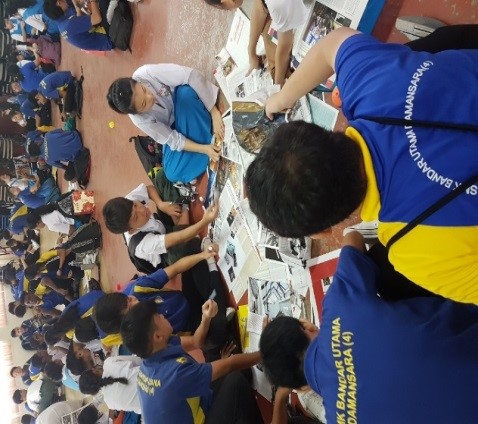
TEEF ran an NIE programme for English teachers in 2019 at selected schools. Copies of The Edge were sent weekly to eight schools in the Klang Valley for English teachers to use as a resource to encourage a reading culture, increase students’ English language proficiency, and develop higher order thinking skills.
Prior to distributing the newspapers, TEEF held an NIE workshop for English teachers in February 2017. The workshop was led by Elmarie Potgieter, an education transformation specialist.
What teachers had to say:
The Edge newspaper is a useful tool in the ELT classroom for improving reading skills and enhancing students' knowledge of current affairs. Its colorful pull-outs help bring the real world into the classrooms. Facilitation is made easier with interesting illustrations and content that are geared to match the current English Language and Business Studies syllabi. Students can study local, national and world current events. They also learn about the business trends and the stock market. More importantly, students engage themselves in environmental issues and discover ways to balance them with economic concerns.
(Cikgu Hamizah who was in charge of the NIE programme in 2019 has since been transferred to SMK Selayang Baru)
I was really glad to see my students' happy faces each time I distributed the newspapers to them -- it was like giving them a valuable present and they were very excited each time they received this special present from The Edge Education Foundation. Teaching and learning English have certainly become much more meaningful and effective with these great presents/resources.
(Dr Tan has since retired)